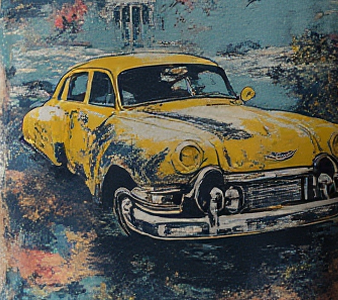
We specialize in screen printing on T-shirts, hoodies, bags, and other materials. With us, you can order a complete service that includes sourcing apparel from popular brands like Fruit of the Loom, Gildan, Stanley/Stella, Malfini, and many others, combined with high-quality screen printing tailored to your needs.

Durability of Screen Printing


Screen prints on clothing are highly durable, withstanding over 50 washes without any issues. By curing the prints in a specialized heat tunnel, screen printing achieves excellent resistance to washing and various weather conditions.

Colours in Screen Printing


We use plastisol, water-based, and solvent-based inks in our screen printing process. Our technology allows us to print up to 18 colours. By using high-quality inks, we ensure vibrant and stunning colours based on the Pantone palette.

Cost-Effectiveness of Screen Printing


Screen printing offers the best value for money. When calculating the cost, we consider the number of colours, quantity of items, and the size of the design. Screen printing is most cost-effective for orders exceeding 50 pieces.

Placement of Screen Prints


Screen printing is primarily done on flat surfaces. Common placements include the left chest, back, sleeves, or front of garments. Printing in other areas is also possible—feel free to contact us to explore the options.

Artwork Requirements for Screen Printing


Preparing artwork for screen printing requires bitmap files with a minimum resolution of 300 DPI (PNG, PSD, TIFF, PDF, JPG) or vector files (AI, EPS, CDR, PDF). The better the quality of the files, the better the quality of the screen print.


Screen printing (also known as silkscreen printing or serigraphy) is a traditional printing method that uses a mesh stencil, called a “screen,” to transfer ink onto a substrate. Unlike digital printing methods that rely on inkjet printers or sublimation, screen printing involves pushing ink manually or mechanically through a mesh screen that’s been prepared with a design. Because each color in the design requires its own screen, screen printing is well-suited for graphics with limited color palettes but can quickly become complex with intricate, multicolor images.


How It Works:


  1. Artwork and Film Preparation:
    The process starts with a finalized design that is separated into individual color layers. Each color will be printed using its own screen. The separation files are then used to create transparent films for each color layer. These films help block out specific areas on the screens during the emulsion exposure step.

  2. Screen Preparation:
    A screen, typically made of a fine mesh fabric stretched over an aluminum or wooden frame, is coated with a light-sensitive emulsion. Once dry, the film positive is placed on the screen and exposed to a strong light source. The areas shielded by the film remain unexposed and soluble, while the exposed emulsion hardens. When the screen is washed with water, the unexposed emulsion washes away, leaving a stencil of the design on the mesh.

  3. Ink Application and Printing:
    The screen is then mounted on a printing press, and the chosen substrate (such as a T-shirt, poster, or tote bag) is placed underneath. Ink is applied to one side of the screen, and a squeegee is used to press the ink through the mesh openings, transferring the design onto the material. For multi-color designs, each color is applied in sequence using a dedicated screen, often requiring precise alignment (registration) to ensure a crisp final image.

  4. Curing and Finishing:
    Once printed, the item is cured—usually by running it through a conveyor dryer or applying heat—to ensure the ink fully bonds with the fabric or substrate. After curing, the print is both wash-resistant and durable, providing a long-lasting finish.


Key Advantages of Screen Printing:


  1. Vibrant, Opaque Colors:
    Screen printing inks are typically thicker than those used in digital processes, resulting in bright, opaque colors that “pop” even on dark fabrics.

  2. Durable and Long-Lasting Prints:
    Screen-printed designs are known for their durability. Proper curing creates prints that can withstand repeated wash cycles, wear, and exposure to the elements.

  3. Cost-Effective for Large Runs:
    Once the screens are prepared, printing a large number of items is relatively fast and cost-effective. Screen printing often becomes more economical than digital methods at higher quantities.

  4. Versatility in Materials:
    Screen printing is not limited to fabrics; it can be used on paper, plastics, wood, glass, metal, and more, making it a versatile option for numerous applications.


Limitations:


  1. Complexity with Multiple Colors:
    Each color requires its own screen and setup, making complex, multi-color designs more time-consuming and costly. Intricate details and photorealistic images can be challenging to reproduce accurately.

  2. High Setup Costs for Small Runs:
    The upfront work involved in creating screens and setting up the press makes small orders relatively expensive on a per-piece basis.

  3. Environmental Considerations:
    While eco-friendly inks and reclaiming processes exist, screen printing traditionally involves chemical cleaners, solvents, and consumables. Proper waste management and cleanup are essential.

Leo Elements Font End

THEME OPTIONS

Panel Tool

Full Width
Yes No
Font Base
Font Heading
Font Slider
Font Senary
Font Septenary
Color Default
Headings Color
Link Color
Link Hover Color
Text Color
Price Color
Button Background
Button Hover Background
Button Color
Button Hover Color
Product Background
Product Name Color
Product Name Hover Color
Product Price Color
Product Regular Price Color
Product Button Background
Product Button Hover Background
Product Button Color
Product Button Hover Color
On Sale Badge Background
On Sale Badge Color
New Badge Background
New Badge Color
Sale Badge Background
Sale Badge Color
Online Only Background
Online Only Color
Pack Badge Background
Pack Badge Color
Block Background
Block Inner Background
Block Heading Background
Block Heading Color