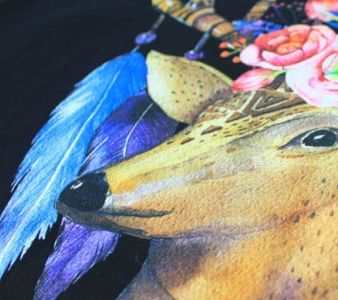
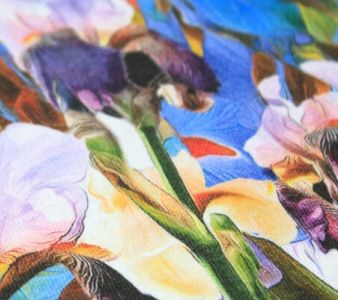
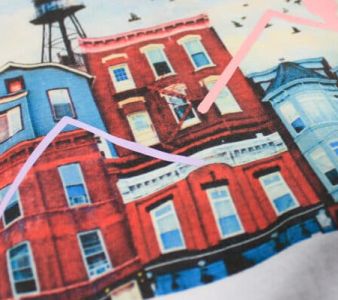
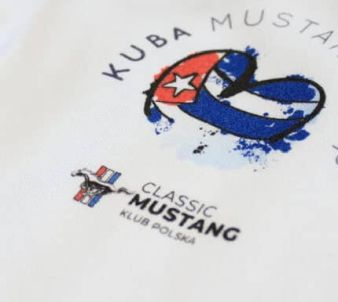
(DTG) Direct-to-Garment printing is a modern textile decoration technology that involves printing full-color, detailed designs directly onto fabric using a specialized inkjet printer. Unlike traditional screen printing, which requires separate screens for each color and can be time-consuming and costly for short runs, DTG uses digital processes and water-based inks that are absorbed directly by the fibers of the garment. This approach allows for high-resolution, photographic-quality prints, minimal setup time, and the ability to produce one-off or small-batch orders at an economical scale.
How It Works:
-
Preparation of the Garment:
Prior to printing, the garment—typically made from cotton or a cotton-blend—is pretreated with a special solution. This pretreatment ensures that the water-based DTG inks adhere properly to the fibers. Without pretreatment, the colors may not bond effectively, resulting in a faded or washed-out appearance.
-
Design and Printing Process:
The artwork or design intended for printing is prepared digitally. High-resolution files in formats such as PNG or TIFF are usually preferred to capture intricate details and gradients. Using dedicated DTG software, the printer operator adjusts color profiles, print placement, and ink usage. Once ready, the garment is placed on the printer’s platen, ensuring the print surface is flat and properly aligned.
-
The DTG printer then uses advanced printheads—often featuring multiple nozzles—to deposit tiny droplets of ink directly onto the fabric. Because it’s fully digital, the process allows for near-infinite color options without additional screens or complex setups. This flexibility makes it easy to change designs or customize garments on the fly.
-
Curing the Ink:
After printing, the ink-soaked fabric requires curing—often done with a heat press or a textile dryer. Curing ensures the ink is permanently bonded to the fibers, enhancing durability, wash resistance, and the overall feel of the print. Once cured, the design is set, exhibiting vivid colors, sharp details, and a soft hand-feel.
Key Advantages of DTG:
-
High Detail and Color Quality:
DTG excels at reproducing complex images, gradients, and fine text. The prints can achieve a photo-quality look that’s difficult to replicate with traditional methods.
-
Low Setup Costs for Short Runs:
Since no screens or plates are required, DTG is perfect for small orders, sample production, personalized items, or even single-piece prints. There’s no additional tooling cost, making short runs economically viable.
-
On-Demand Printing:
DTG integrates seamlessly with web-to-print workflows and print-on-demand models, allowing businesses to print exactly what they need, when they need it. This reduces waste and inventory overhead.
-
Environmentally Conscious:
The water-based DTG inks are generally more eco-friendly compared to traditional inks. Additionally, the on-demand aspect minimizes overproduction and reduces material waste.
Limitations:
-
Fabric Choices:
DTG works best on garments with a high cotton content. While it can print on blends or other materials, the results may be less vibrant or durable on synthetics.
-
Print Speed and Cost Efficiency for Large Runs:
For very large orders, screen printing may still be more cost-effective and faster, given that DTG printing speeds can be relatively slow, and ink costs can be higher per unit on massive quantities.
-
Pretreatment Requirements:
The need to pretreat and the time required to cure the ink adds steps to the process, potentially increasing the production timeframe per garment compared to some other methods.
Conclusion:
DTG printing represents a highly flexible, detail-rich, and low-barrier-to-entry solution for producing custom, full-color designs on garments. It’s particularly well-suited for short runs, limited editions, and personalized prints. By merging digital precision, eco-friendly ink chemistry, and on-demand production capabilities, DTG has established itself as a cornerstone technology in the evolving world of textile printing.