Dye Sublimation: A Deep Dive into a Revolutionary Printing Technology
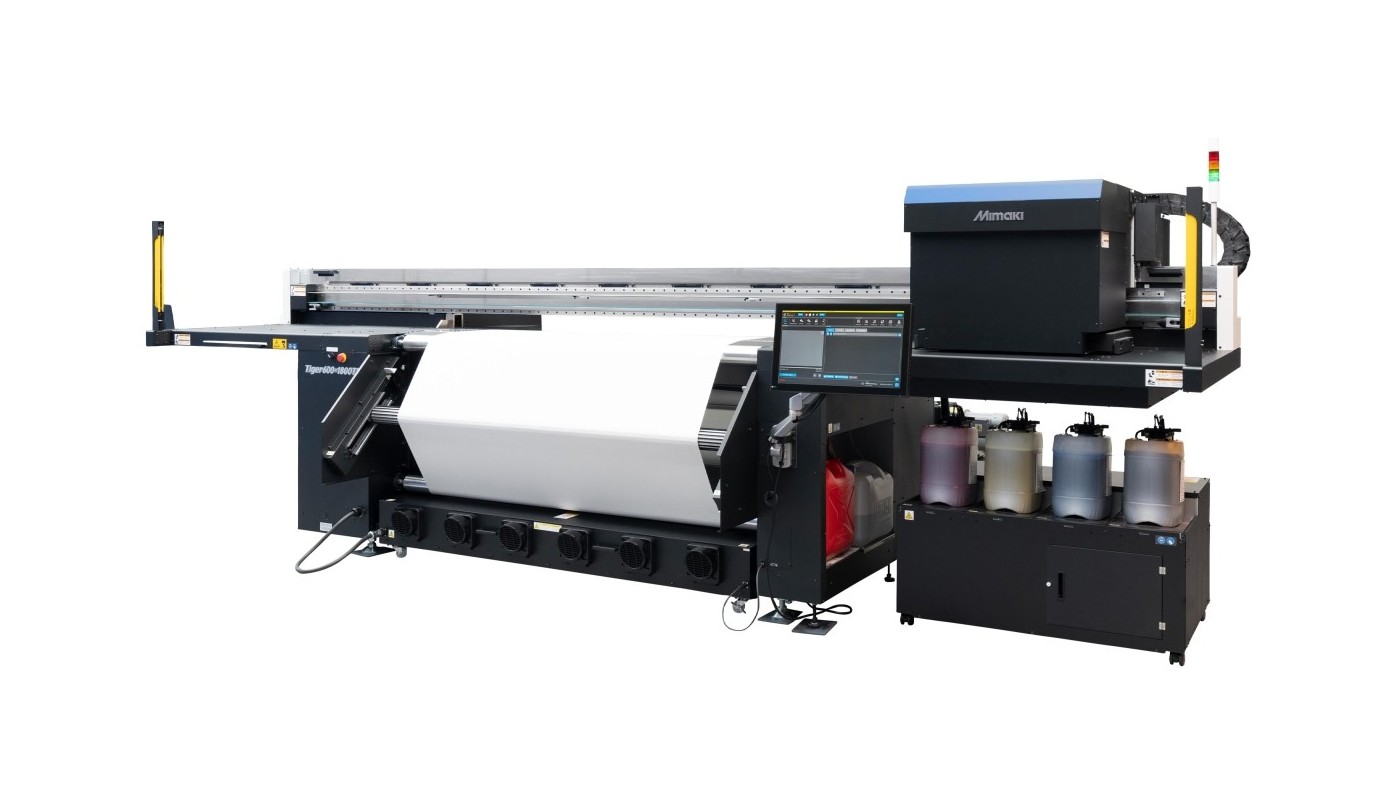
In this blog post, we explore the innovative printing technique of dye sublimation, which has transformed the textile and custom products industry. From vibrant, full-color prints to the durability and long-lasting quality it offers, dye sublimation is a go-to method for producing high-quality designs on apparel and other materials. We’ll dive into how this process works, its numerous benefits, and why it’s becoming the preferred choice for businesses and designers seeking to create custom, eye-catching products. Whether you're in fashion, sportswear, or personalized gifts, dye sublimation delivers exceptional results.
Dye Sublimation: A Deep Dive into a Revolutionary Printing Technology
Dye sublimation is one of the most advanced and widely used printing technologies in the world of textiles, offering exceptional results for fabric printing. From sportswear and fashion items to personalized gifts and home décor, dye sublimation has become a go-to method for producing vibrant, high-quality prints that are durable and long-lasting. This printing technique has gained immense popularity in industries where design precision, color accuracy, and durability are crucial, and it's easy to see why.
What is Dye Sublimation?
Dye sublimation is a process that uses heat to transfer dye onto materials, turning solid dye particles into gas without passing through a liquid phase. Unlike traditional printing methods like screen printing or heat transfer vinyl, dye sublimation does not sit on top of the material. Instead, the dye actually permeates and bonds with the fibers of the fabric, resulting in prints that are integrated into the material itself. This leads to smoother textures, more vibrant colors, and designs that won’t crack, peel, or fade over time.
Dye sublimation is most commonly used on polyester fabrics and specially coated materials, but it can also be used on hard substrates like ceramics, metals, and plastics that have been pre-coated with a polymer. This flexibility makes it a versatile solution for a wide range of products.
How Does Dye Sublimation Work?
The dye sublimation process is quite unique compared to traditional printing methods, and it involves several key stages:
-
Design Creation: The first step in the dye sublimation process is creating the design digitally. This design is typically created using graphic design software and is then printed onto special sublimation transfer paper. Unlike other printing methods, the design printed on the transfer paper is reversed, as it will later be transferred onto the material in its correct orientation.
-
Printing with Sublimation Inks: After the design is finalized, it’s printed using sublimation inks, which are specially formulated for this process. These inks are unique because they can transition from solid to gas when heat is applied, making them ideal for dye sublimation.
-
Heat Transfer: The printed transfer paper is placed onto the material (usually polyester fabric, but it can also be ceramic, metal, or other suitable materials). The material and the transfer paper are then placed into a heat press, where heat and pressure are applied. The heat causes the ink on the paper to vaporize and turn into gas. This gas permeates the fibers of the fabric, bonding with the material on a molecular level.
-
Cooling and Curing: Once the material has been subjected to heat and pressure, it is removed from the press and allowed to cool. As the dye cools, it solidifies and bonds with the material, creating a vibrant, high-quality print that becomes an integral part of the fabric or surface.
-
Final Product: After cooling, the printed material is ready for use. For fabrics, this might mean sewing the fabric into apparel like t-shirts or sportswear. For other materials, such as metal or ceramics, the printed items are ready for sale or further processing.
Advantages of Dye Sublimation
-
Superior Print Quality: One of the most significant advantages of dye sublimation is the quality of the prints it produces. The process allows for the creation of full-color, high-resolution designs that feature smooth gradients, fine details, and vibrant colors. Since the dye bonds with the material at a molecular level, the prints have a crisp, clean finish, and there are no limits to color mixing, making it ideal for detailed or photographic designs.
-
Durability and Longevity: Unlike other printing methods where the ink sits on top of the fabric, sublimation ink becomes part of the material itself. This results in prints that are much more durable and resistant to fading, cracking, or peeling. Sublimation prints can withstand washing, wear, and sunlight exposure without losing their vibrant appearance. This makes it ideal for items that are washed frequently, such as clothing or sports gear.
-
Soft Touch: Since the dye integrates into the fabric fibers rather than sitting on top of them, the finished product feels soft to the touch. There is no extra layer of ink or film, meaning the fabric retains its natural texture. This is especially important for applications like apparel, where comfort is a priority.
-
No Minimum Order Requirements: Dye sublimation is perfect for both small and large print runs. For small quantities, it is cost-effective because there are no setup costs or limitations on design complexity. This makes it an excellent choice for custom, one-off products or limited edition items.
-
Wide Range of Applications: While dye sublimation is most commonly used for printing on polyester fabrics, it’s also used on a variety of other materials such as ceramics, metals, and plastics. For example, custom mugs, plaques, and signs can be created using the same process. This versatility allows businesses to offer a range of personalized products with the same technology.
-
Eco-Friendly: Compared to other printing methods, dye sublimation is relatively eco-friendly. The process produces minimal waste, and the sublimation inks are generally water-based, reducing harmful chemicals and pollutants. Additionally, because the dye bonds with the fabric, there is no need for additional chemicals, like solvents or adhesives, making it a greener option in the world of printing.
Limitations of Dye Sublimation
While dye sublimation offers numerous benefits, it does have some limitations:
-
Fabric Limitations: Dye sublimation works best with polyester fabrics or materials that have a polymer coating. It cannot be used effectively on natural fibers such as cotton, so it is not suitable for every type of fabric.
-
Initial Setup Costs: Although dye sublimation is cost-effective for small print runs, the equipment and materials required to get started can be expensive. This makes it more suitable for businesses or those looking to print in larger quantities, rather than hobbyists.
-
Color Limitations on Dark Fabrics: Dye sublimation works best on light-colored fabrics, especially white or light pastel shades. While it is possible to print on dark fabrics, the results may not be as vibrant, and the process may require additional pre-treatment or specialized inks.
Conclusion
Dye sublimation is a revolutionary printing technique that offers unmatched color accuracy, durability, and versatility. Its ability to produce high-quality, full-color prints that are embedded into the fabric makes it ideal for a wide range of products, from custom apparel to promotional items and home décor. While there are some limitations, such as fabric compatibility and setup costs, the benefits of dye sublimation far outweigh these drawbacks, making it a go-to option for businesses and designers who want to create high-end, long-lasting products. Whether you’re printing t-shirts, mugs, or banners, dye sublimation provides exceptional results that stand the test of time.