Screen Printing on T-Shirts: A Classic Technique for Vibrant Designs
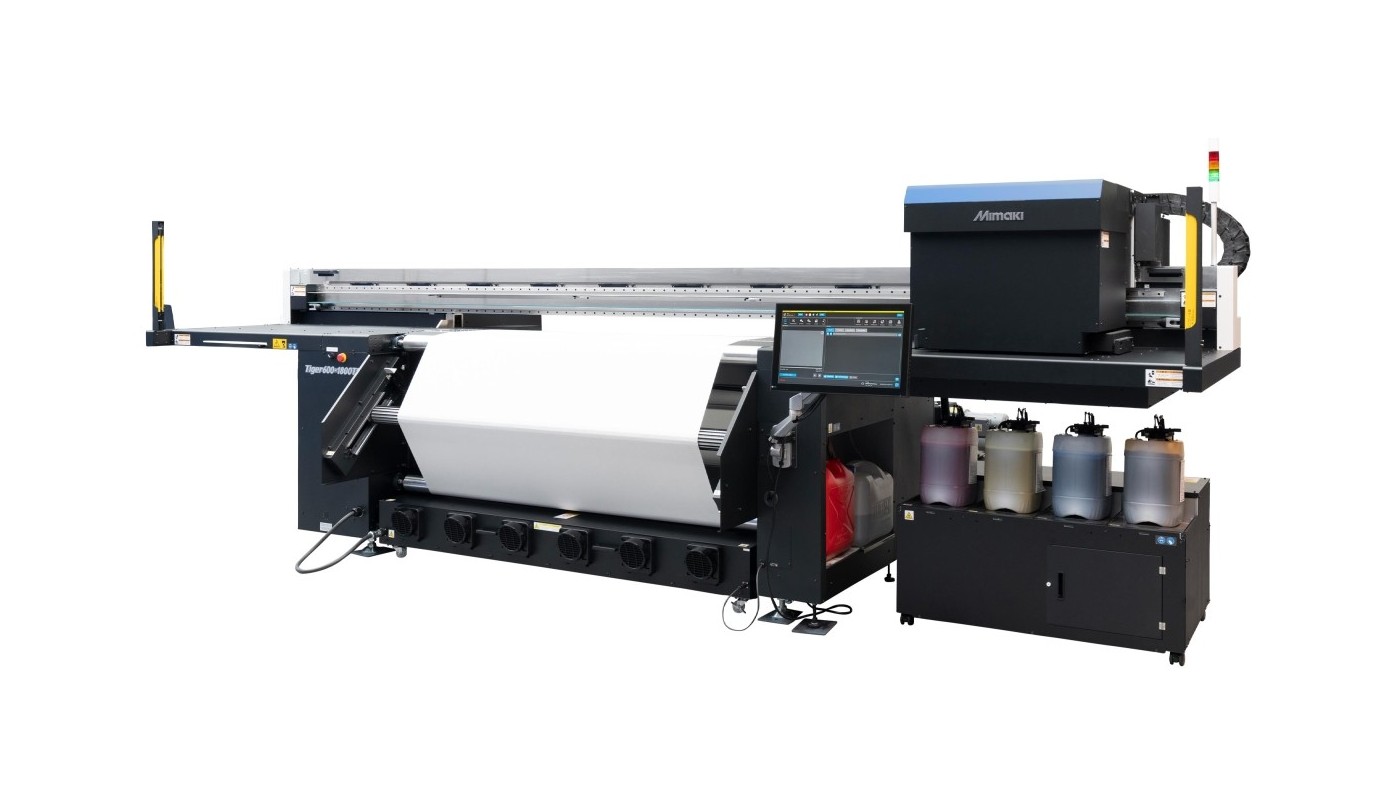
In this blog post, we dive into the world of screen printing, a classic and widely-used method for printing vibrant, durable designs on t-shirts. From the detailed step-by-step process to its many advantages, including cost-effectiveness for large runs and the ability to create long-lasting prints, screen printing remains a go-to technique for custom apparel. Whether you're designing for a brand, event, or personal project, screen printing provides a high-quality finish that ensures your designs stand out and stay vibrant even after multiple washes.
Screen Printing on T-Shirts: A Classic Technique for Vibrant Designs
Screen printing, also known as silk screening, is a versatile and timeless method of printing designs onto various materials, with t-shirts being one of the most popular surfaces. It has been a go-to choice for apparel decoration for decades, and continues to thrive due to its ability to produce vibrant, durable, and high-quality prints. In this article, we'll explore the process of screen printing on t-shirts, its benefits, and why it's still one of the most popular methods in the world of fashion and custom apparel.
What is Screen Printing?
Screen printing is a technique that involves using a mesh screen to transfer ink onto a material, such as fabric. The screen acts as a stencil, blocking out certain areas while allowing ink to pass through in the desired pattern. This method allows for highly detailed, bold designs that are ideal for t-shirt printing, and it works well with a wide range of inks and fabrics.
The process begins with creating a stencil (or screen) for each color in the design. The screen is coated with a light-sensitive emulsion, and the design is then transferred onto the screen using a photographic process or direct exposure method. Once the screen is ready, it's placed on top of the t-shirt, and ink is pushed through the screen using a rubber blade (called a squeegee). Each color of the design requires a separate screen, making it a multi-step process, but this also contributes to the depth and detail that screen printing is known for.
Step-by-Step Process of Screen Printing on T-Shirts
-
Design Creation: The first step in the screen printing process is to create or prepare the design. It should be in a format suitable for screen printing, typically a vector file. For multi-color designs, each color will need to be separated into different layers.
-
Screen Preparation: Screens are created using mesh material stretched tightly over a frame. The design is then transferred onto the screen by applying a light-sensitive emulsion and exposing it to UV light. The areas where the design is present will harden, while the areas where there is no design will remain soft, allowing ink to pass through.
-
Ink Application: Once the screens are prepared, they are positioned on top of the t-shirt. Ink is poured onto the screen, and a squeegee is used to push the ink through the mesh onto the fabric. Each color requires a separate screen, so the process is repeated for each layer.
-
Drying/Curing: After the ink is applied, the t-shirt is placed in a drying unit to cure the ink. This is a crucial step because properly cured ink ensures the design will be long-lasting and resistant to fading or cracking.
-
Finishing Touches: Once the printing is complete, the t-shirt is inspected for quality, and any necessary finishing touches are added, such as additional washes to remove excess ink or tag placements.
Why Choose Screen Printing for T-Shirts?
-
Vibrant Colors and Durability: One of the biggest advantages of screen printing is its ability to produce bright, vivid colors. The ink used in screen printing sits on top of the fabric, allowing the colors to pop and remain bold even after multiple washes. This makes it a great option for designs that need to stand out.
-
Cost-Effective for Large Runs: Although the setup for screen printing can be time-consuming and labor-intensive, it becomes very cost-effective when producing large quantities of t-shirts. The more shirts printed, the lower the per-unit cost becomes, making it ideal for bulk orders or large promotional runs.
-
Long-Lasting Prints: Screen printing produces designs that are durable and can last for years with proper care. The thick ink layers bond with the fabric, resulting in prints that resist cracking, fading, or peeling.
-
Versatility: Screen printing is not limited to just t-shirts. It can be used on various fabric types, from cotton to polyester blends, and can also be used to print on other items such as bags, hats, or hoodies. This versatility makes it a popular choice for brands and events seeking to create custom apparel.
-
Eco-Friendly Options: Many screen printing shops offer eco-friendly inks made from water-based or soy-based materials, which are more environmentally friendly compared to traditional plastisol inks.
Limitations of Screen Printing
While screen printing is an excellent choice for many types of projects, it does have its limitations. One of the major drawbacks is the setup cost and time, especially for small orders. Each color in the design requires a separate screen, which can make multi-colored designs time-consuming and expensive for smaller batches. Additionally, screen printing works best with simpler designs, as intricate or highly detailed artwork may be harder to reproduce with this method.
Conclusion
Screen printing remains one of the most reliable and high-quality methods for printing t-shirts. It offers vibrant colors, excellent durability, and is cost-effective for large runs, making it the go-to choice for custom apparel. Whether you're creating shirts for a band, a business, or a special event, screen printing provides a professional finish that can stand the test of time. Despite its limitations, such as longer setup times for intricate designs or small orders, screen printing continues to thrive in the world of custom fashion.