Embroidery on T-Shirts: A Timeless Technique for Custom Apparel
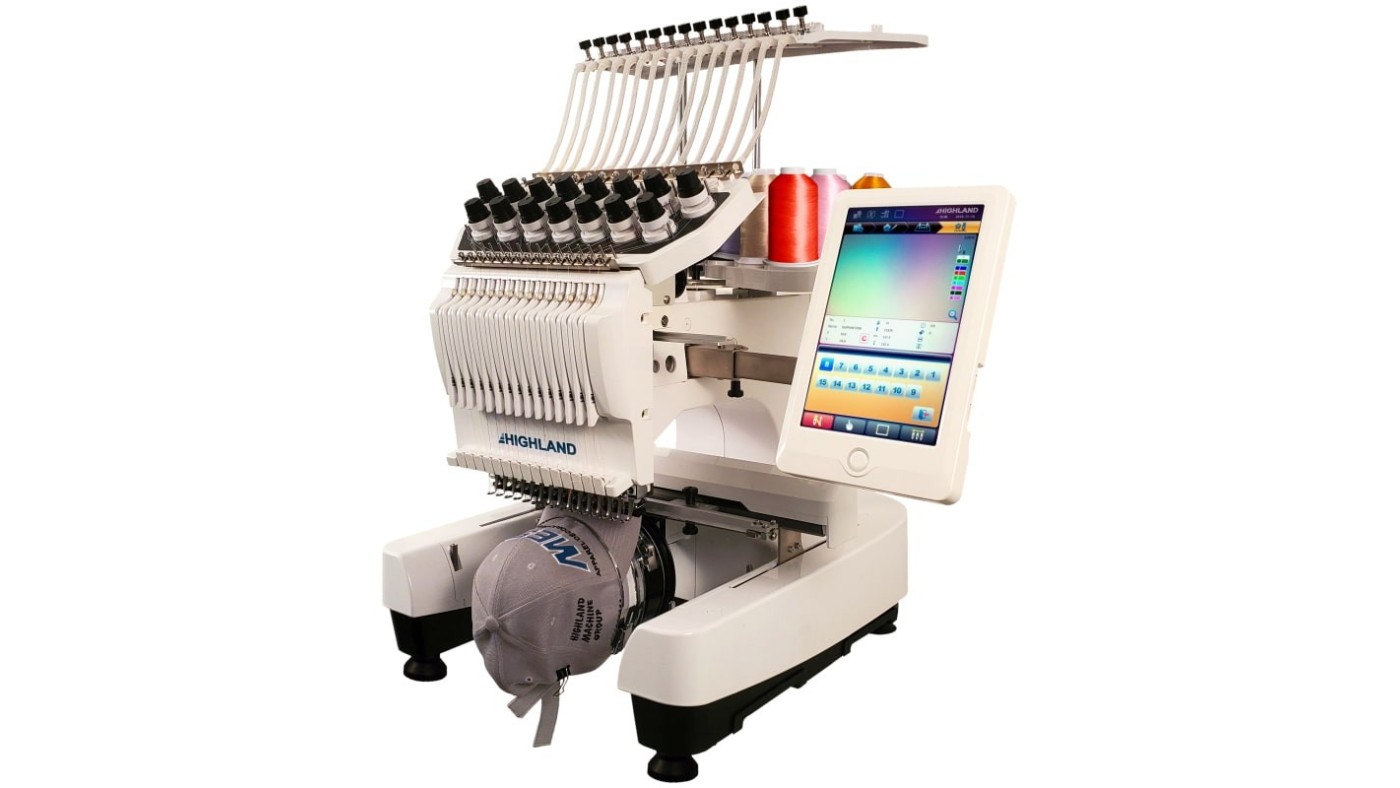
In this blog post, we explore the timeless technique of embroidery on t-shirts, a method known for its durability, professional appearance, and high-quality results. From corporate apparel and sports team uniforms to personalized fashion and custom gifts, embroidery adds texture, depth, and a premium feel to custom clothing. We delve into how embroidery works, its many applications, and why it remains a popular choice for creating long-lasting, standout designs. Whether you're looking for personalized items or professional branded apparel, embroidery offers a versatile and durable solution for custom t-shirt printing.
Embroidery on T-Shirts: A Timeless Technique for Custom Apparel
Embroidery on t-shirts is a classic and durable method of adding custom designs to clothing. While many printing techniques have emerged over the years, embroidery remains a preferred choice for creating high-quality, professional-looking, and long-lasting designs. In this blog post, we’ll explore the process of embroidery, its applications, and why it’s such a popular technique for custom t-shirts and apparel.
What is Embroidery?
Embroidery is a technique that involves stitching designs directly onto fabric using threads and a needle. The process can be done by hand or, more commonly today, through machine embroidery. This method allows for intricate, detailed designs to be permanently sewn into the fabric, creating a textured, raised effect that is both stylish and durable.
Unlike printing techniques, where the design is applied to the surface of the fabric, embroidery embeds the design into the material itself. This results in a finished product that has a premium feel, with the design often being more resistant to fading, peeling, or cracking over time.
How Does Embroidery Work?
The embroidery process typically involves several steps:
-
Design Creation: The first step is to create a digital version of the design you want to embroider. This is usually done using software like Adobe Illustrator, CorelDRAW, or specialized embroidery software that converts the design into a format compatible with embroidery machines.
-
Digitizing: After the design is created, it must be digitized. This is a crucial step where the design is transformed into a file that a machine can read. The software assigns stitch types, directions, and lengths, as well as the order in which the stitches will be made.
-
Machine Setup: Once the design is digitized, it’s loaded into the embroidery machine. The machine is then set up with the appropriate thread colors, and the t-shirt (or other apparel) is placed on a hoop to keep the fabric taut during the stitching process.
-
Stitching the Design: The machine starts stitching the design onto the fabric, following the instructions set in the digitizing process. Modern embroidery machines are capable of stitching hundreds of stitches per minute, making the process quick and efficient for larger orders.
-
Finishing Touches: After the embroidery is complete, the t-shirt is carefully removed from the hoop, and any excess threads are trimmed. The design is then checked for quality, and any necessary finishing treatments, like steaming or pressing, are applied to ensure the final product is neat and professional.
Advantages of Embroidery on T-Shirts
-
Durability: One of the key benefits of embroidery is its durability. The stitches are deeply embedded into the fabric, meaning they won’t fade, peel, or crack over time like some printed designs. This makes embroidery an ideal choice for items that will be frequently worn or washed, such as work uniforms or sportswear.
-
Professional Appearance: Embroidered designs have a premium, polished look that often evokes a sense of professionalism and high quality. It’s commonly used in corporate apparel, sports teams, and promotional clothing due to its sharp, clean finish.
-
Texture and Depth: Unlike flat prints, embroidery adds texture and depth to the design, giving it a three-dimensional look. This can elevate the visual appeal of the t-shirt, making it stand out with a more tactile and rich feel.
-
Long-Lasting: Embroidery is highly resistant to wear and tear. The threads used are strong and durable, ensuring that the design will last for many years, even with repeated washing and daily use.
-
Versatility: Embroidery can be done on a variety of fabrics, from lightweight cotton to heavier materials like denim and jackets. It’s perfect for small logos, text, or more intricate designs, making it versatile for a wide range of t-shirt applications.
-
Eco-Friendly Option: Since embroidery involves minimal use of chemicals compared to some printing processes, it can be considered an eco-friendlier option for custom t-shirts. It also doesn't require any drying time or heat, reducing energy consumption in the production process.
Applications of Embroidery on T-Shirts
-
Corporate and Promotional Apparel: Embroidery is commonly used for branded workwear, uniforms, and promotional apparel. Companies often opt for embroidered logos and company names on t-shirts, polos, and hats to create a professional look for their employees or event merchandise.
-
Sports Teams and Clubs: Embroidery is a popular choice for sports teams and clubs, especially for team shirts, jerseys, and merchandise. Team logos, player names, and numbers are often embroidered on t-shirts, jackets, and hats, ensuring the designs are durable and long-lasting.
-
Custom Fashion: Embroidered t-shirts are also a popular choice in the fashion industry, where intricate, artistic designs can be sewn onto the fabric. High-end fashion brands use embroidery to create unique, signature looks that stand out from mass-produced apparel.
-
Personalized Gifts: Embroidered t-shirts make great personalized gifts. Whether it's a name, a custom design, or a meaningful message, embroidery allows for a high-quality, thoughtful touch that is perfect for special occasions like birthdays, holidays, or anniversaries.
-
Event and Festival Apparel: Many festivals, concerts, and events use embroidered t-shirts as part of their merchandise. Event logos, dates, and slogans can be embroidered on t-shirts, making them memorable keepsakes for attendees.
Limitations of Embroidery on T-Shirts
-
Complexity and Detail: While embroidery is great for simple logos or text, highly detailed designs or images with lots of color gradients can be challenging to reproduce. Fine details may be lost, and certain designs may require excessive stitching, which can increase costs.
-
Higher Setup Costs: Compared to printing techniques like screen printing or direct-to-garment (DTG), embroidery generally has higher setup costs, especially for smaller orders. This is due to the digitizing process and the time required to set up the embroidery machine.
-
Limited Color Range: While embroidery is available in a wide variety of thread colors, it can be limiting when trying to achieve certain color effects or fine gradients. Screen printing or sublimation may be better suited for designs that require extensive color blending.
Conclusion
Embroidery on t-shirts is a timeless, high-quality method of custom apparel decoration that offers durability, a premium look, and a long-lasting finish. Whether you're creating promotional items for a business, custom clothing for a team, or personalized gifts for a special occasion, embroidery adds a unique and professional touch to your garments. While it may not be the best choice for highly detailed designs or large print runs, embroidery excels in creating elegant, durable, and tactile designs that stand the test of time. For those seeking a classic, professional, and lasting custom look, embroidery remains one of the best options for t-shirt decoration.