Direct-to-Garment (DTG) Printing: A Modern Approach to Custom Apparel Printing
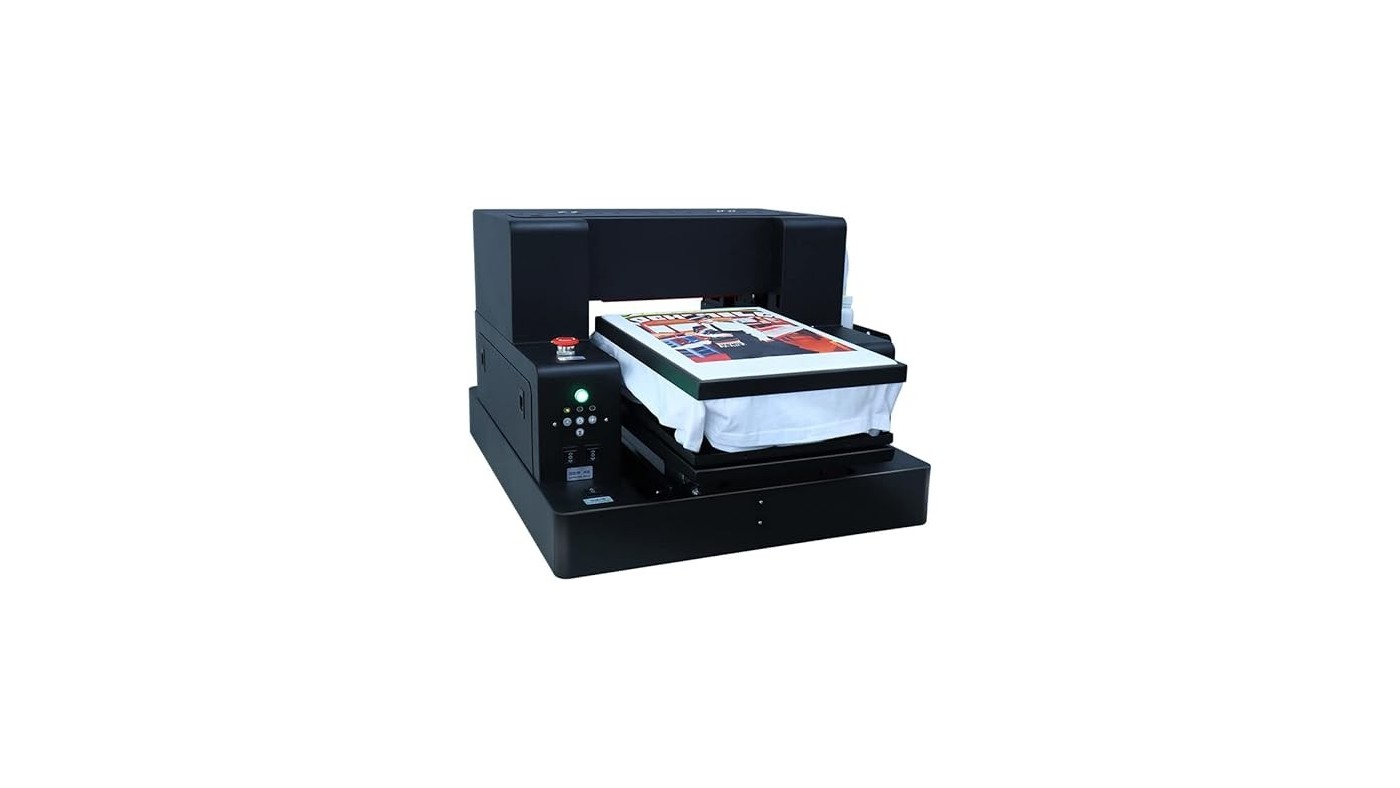
In this blog post, we explore Direct-to-Garment (DTG) printing, a modern and innovative method for creating high-quality, custom apparel. DTG printing offers full-color, detailed designs directly onto fabric, making it ideal for small runs, one-off prints, and intricate artwork. We dive into how DTG works, its many advantages such as faster turnaround times and eco-friendly inks, as well as its limitations and ideal use cases. Whether you're a designer, small business owner, or someone looking to create personalized items, DTG printing provides a versatile and efficient solution for custom apparel printing.
Direct-to-Garment (DTG) Printing: A Modern Approach to Custom Apparel Printing
In the world of custom apparel, Direct-to-Garment (DTG) printing has emerged as a game-changing technology. Offering high-quality, detailed prints directly on fabric, DTG printing is rapidly gaining popularity among businesses, designers, and hobbyists who want to create personalized, unique clothing items. In this blog post, we’ll dive into what DTG printing is, how it works, its benefits, and why it’s become such a sought-after solution for custom t-shirt printing and beyond.
What is Direct-to-Garment (DTG) Printing?
Direct-to-Garment (DTG) printing is a digital printing technology that uses specialized inkjet printers to apply ink directly onto textiles, typically cotton-based fabrics. Unlike traditional printing methods like screen printing, DTG printing doesn’t require screens or stencils. Instead, the design is printed directly from a digital file (such as a JPEG or PNG) onto the fabric using water-based inks.
This method is ideal for printing intricate designs, detailed graphics, or even photographic images in full color. The process offers a level of precision that’s difficult to achieve with traditional screen printing, making it perfect for small batches, on-demand orders, or one-off custom apparel.
How Does DTG Printing Work?
DTG printing uses a printer equipped with specialized printheads that spray microscopic droplets of ink onto the fabric in precise patterns. Here’s a breakdown of the process:
-
Design Creation: The process starts with the creation of a digital design. This could be anything from a logo or artwork to a full-color photograph. The design is usually created in graphic design software like Adobe Illustrator or Photoshop.
-
Preparing the Printer: The design file is then loaded into the DTG printer’s software, which prepares it for printing. The garment, typically a t-shirt, is placed on a platen (a flat surface that holds the fabric in place during printing).
-
Printing the Design: Using inkjet technology, the DTG printer applies a layer of white ink as a base on the fabric, particularly if the shirt is dark-colored. After the white base is applied, the color inks are sprayed on top to create the final design. The printer works layer by layer to ensure color accuracy, sharpness, and detail.
-
Drying and Curing: Once the print is complete, the garment is placed in a heat press or curing oven to cure the ink. This step ensures that the ink bonds to the fabric fibers, making the print durable and washable.
-
Finished Product: After curing, the printed garment is ready for use or sale. The result is a high-quality, full-color print that is part of the fabric, not sitting on top of it like with some other printing methods.
Advantages of DTG Printing
-
High-Quality Prints: DTG printing produces high-resolution, full-color prints with incredible detail. The technology allows for smooth gradients, crisp lines, and vibrant colors, making it ideal for complex designs or photographs.
-
No Minimum Orders: Unlike traditional printing methods like screen printing, which require a significant setup and a minimum order quantity, DTG printing is perfect for small runs or one-off prints. This makes it a great choice for custom orders or limited edition items.
-
Faster Turnaround: DTG printing doesn’t require screens or stencils, which means the setup time is minimal. This leads to faster production times and quicker delivery, especially for custom designs or last-minute orders.
-
Eco-Friendly: DTG printers use water-based inks, which are more environmentally friendly compared to the plastisol inks used in screen printing. These inks are free from harmful chemicals, making them safer for the environment and the user.
-
Comfortable and Soft Prints: Since the ink in DTG printing becomes part of the fabric, the prints are soft to the touch and don’t add a heavy layer of ink on top of the garment. This results in a comfortable garment without the stiffness or cracking that can occur with other printing methods.
-
Design Flexibility: DTG printing doesn’t have the limitations of color separation or complex setup, meaning designers can print full-color images, intricate details, or even photographic prints without worrying about how many colors are in the design.
Limitations of DTG Printing
-
Material Restrictions: DTG printing works best on cotton fabrics, although it can also be used on cotton-blend fabrics. It’s not as effective on synthetic fabrics such as polyester, which are commonly used in sportswear. While some specialty inks allow DTG printing on synthetic fabrics, the quality and durability may not be as high.
-
Not Ideal for Large Runs: While DTG printing is perfect for small quantities and custom jobs, it can be slower and more expensive for larger print runs compared to methods like screen printing, which is better suited for mass production.
-
High Initial Investment: The cost of a DTG printer can be quite high, making it a significant investment for small businesses or individuals. Additionally, there are ongoing costs for ink and maintenance, which may add up over time.
-
Color Limitation on Dark Fabrics: While DTG printing works well on white and light-colored fabrics, printing on dark fabrics requires a white ink base layer. This base layer can sometimes affect the vibrancy of the colors and add complexity to the printing process.
Applications of DTG Printing
-
Custom Apparel: The most common use of DTG printing is for custom apparel, such as t-shirts, hoodies, and sweatshirts. This includes designs for individuals, businesses, events, and small brands that want unique, custom designs.
-
Promotional Products: DTG printing is also used to print logos, slogans, and other graphics on promotional items like bags, hats, and other wearable merchandise.
-
Art and Photography: Artists and photographers can use DTG printing to reproduce their artwork and photos on fabric or apparel. The high-quality print resolution makes it ideal for creating detailed art prints, offering a way to monetize their designs.
-
On-Demand Printing: DTG is an excellent solution for businesses that offer print-on-demand services. Customers can choose custom designs, and the products can be printed and shipped without the need for large upfront investments in stock or inventory.
Conclusion
Direct-to-Garment (DTG) printing has revolutionized the custom apparel industry by offering high-quality, full-color prints with minimal setup time and no minimum order requirements. Whether you're a small business owner, an artist, or someone who just loves custom clothing, DTG printing provides the flexibility, quality, and eco-friendly benefits that traditional methods can't match. While it’s not perfect for mass production or synthetic fabrics, DTG printing is ideal for short runs, custom designs, and small businesses looking to offer unique, personalized items. As technology continues to improve, DTG printing will likely continue to grow in popularity and applications, making it an essential tool for custom apparel and print-on-demand industries.