Digital Printing: A Modern Solution for Custom Printing Needs
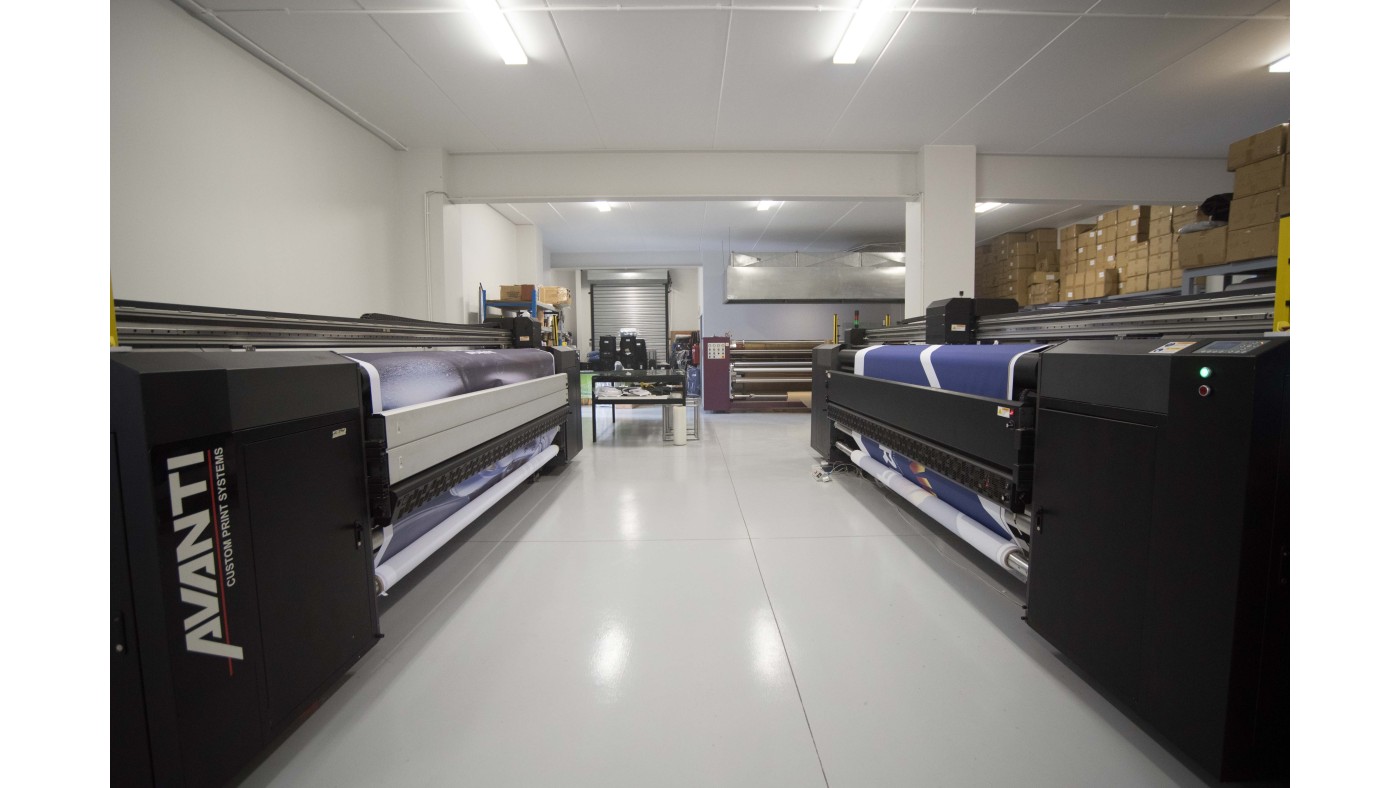
In this blog post, we explore the world of digital printing, a modern and versatile method that has transformed the custom printing industry. From custom apparel and marketing materials to personalized gifts and large-format prints, digital printing offers high-quality results with fast turnarounds and no setup costs. We dive into how digital printing works, its numerous benefits, types of digital printers, and the wide range of applications it serves. Whether you’re in fashion, advertising, or looking to create unique products, digital printing provides an efficient and cost-effective solution for all your printing needs.
Digital Printing: A Modern Solution for Custom Printing Needs
Digital printing has revolutionized the world of custom printing, offering an efficient, cost-effective, and versatile method for creating high-quality prints on a variety of materials. Whether you're producing business cards, brochures, apparel, or even large-format posters, digital printing has made it easier than ever to bring your designs to life with precision and speed. In this blog post, we’ll dive deep into digital printing, explaining what it is, how it works, and why it’s become such a popular choice in industries ranging from marketing to fashion.
What is Digital Printing?
Digital printing refers to a method of printing where digital images or designs are transferred directly to a surface (such as paper, fabric, or plastic) using digital files like PDFs or image files. Unlike traditional printing methods like offset printing, which requires the creation of physical plates or stencils, digital printing uses technologies like inkjet or laser printing to apply the design directly onto the material, layer by layer.
This process eliminates the need for setup and plate costs, which makes it ideal for small runs, custom prints, and fast turnarounds. Digital printing also offers high flexibility, allowing for full-color prints and intricate details, with no limitation on the number of colors or the complexity of the design.
How Does Digital Printing Work?
The digital printing process can vary depending on the type of printer used, but the core concept remains the same: a digital image is directly applied to the chosen material. Below is a breakdown of how the process works:
-
Design Creation: The first step is creating or preparing the design in a digital format. This can be done using graphic design software such as Adobe Illustrator, Photoshop, or even online tools. Once the design is complete, it is saved in a format compatible with the digital printing system (commonly a PDF, JPEG, or TIFF file).
-
Printer Setup: Once the design file is ready, it is sent to a digital printer. This could be a direct-to-garment (DTG) printer for clothing, a UV printer for hard substrates like wood or acrylic, or a large-format inkjet printer for banners and posters. Unlike traditional printing methods, no physical plates or screens are involved—everything is handled digitally.
-
Printing Process: The printer uses specialized inks (whether it’s inkjet, toner, or UV-based ink) to apply the design directly to the surface. The printer’s nozzles or laser technology lay down the ink in precise layers, creating a high-quality, full-color image.
-
Finishing and Curing: Depending on the material, the printed product may need additional curing or drying. For textiles, heat-pressing or curing ovens are often used to ensure the ink bonds to the fabric. For hard surfaces like paper, the ink will naturally dry after printing.
Advantages of Digital Printing
-
High-Quality, Detailed Prints: Digital printing offers incredible precision, with the ability to reproduce intricate details and vibrant colors. Whether it’s a complex photo or a multi-color logo, digital printing ensures the design is sharp, clear, and vibrant.
-
Quick Turnaround Time: Since digital printing eliminates the need for creating plates or screens, the setup time is minimal. This allows for faster turnaround times, making it an excellent option for urgent orders or custom one-off designs.
-
Cost-Effective for Small Runs: One of the most significant benefits of digital printing is its affordability for small runs. With traditional printing methods, there are often large minimum order requirements to offset setup costs. However, digital printing has no such requirement, making it ideal for small businesses, personalized gifts, or limited edition items.
-
Customization: Digital printing excels in customization. Each item can be individually printed with unique designs, making it ideal for personalized products such as custom apparel, promotional items, or even photo prints. This flexibility allows businesses to cater to niche markets or customers looking for bespoke items.
-
No Color Limitation: Unlike traditional methods such as screen printing, digital printing does not rely on a limited set of colors or color separation. Digital printers can mix millions of colors, providing precise color matching and the ability to print photographic images or gradients without any color restrictions.
-
Eco-Friendly: Many digital printing methods use water-based inks, which are more eco-friendly compared to traditional solvents. Additionally, the on-demand nature of digital printing helps reduce waste, as products are printed only when needed, avoiding excess production.
Types of Digital Printing
-
Direct-to-Garment (DTG) Printing: This is a digital printing method for textiles, especially popular for custom t-shirts and apparel. DTG printers use inkjet technology to apply water-based inks directly onto the fabric, allowing for high-quality prints that are soft to the touch.
-
UV Printing: UV printers use ultraviolet light to cure ink instantly as it is printed, making it possible to print on a variety of materials, including plastic, wood, metal, and glass. This makes it ideal for custom signage, promotional items, and gifts.
-
Inkjet Printing: Inkjet printing is one of the most commonly used digital printing techniques, particularly for paper products like flyers, brochures, and posters. Inkjet printers use small nozzles to spray liquid ink onto the material in tiny droplets, producing highly detailed prints.
-
Laser Printing: Laser printing uses toner rather than liquid ink and is commonly used for printing on paper products. It is known for its speed and efficiency, particularly in high-volume environments.
Applications of Digital Printing
-
Custom Apparel: Digital printing, particularly DTG, has become the preferred method for printing custom t-shirts, hoodies, and other clothing items. It allows for full-color designs, fine details, and small print runs, all at an affordable price.
-
Marketing Materials: From business cards to brochures, digital printing is a go-to method for creating high-quality marketing materials. Its quick turnaround times and customization options make it ideal for businesses that need to produce small batches of promotional items.
-
Banners and Signage: Large-format digital printers can print posters, banners, and signs on various materials such as vinyl, fabric, and paper. The ability to print in full color with high detail makes digital printing perfect for both indoor and outdoor signage.
-
Personalized Products: Whether it's a custom mug, personalized gift, or unique home décor item, digital printing offers endless possibilities for creating one-of-a-kind products. The ability to print directly on various surfaces makes it ideal for promotional gifts or customized items.
Limitations of Digital Printing
-
Material Limitations: While digital printing is versatile, it is best suited for certain materials. For example, DTG printing works best on cotton or cotton-blend fabrics, while UV printing is more effective on rigid surfaces. The choice of material may limit the type of printing technology you can use.
-
Quality Variations: While digital printing offers excellent quality, it may not always match the finish of traditional printing methods for larger runs, particularly in terms of durability. Certain digital inks may fade or wear faster than screen printing inks or other traditional methods, especially on fabrics.
-
Cost for Large Runs: While digital printing is cost-effective for small runs, it can become less economical for large-scale production. For large quantities, methods like offset printing or screen printing may be more cost-efficient due to the economies of scale.
Conclusion
Digital printing has transformed the way we think about custom printing. Its ability to produce high-quality, full-color designs quickly and affordably makes it an excellent choice for a wide range of applications, from custom apparel to marketing materials and personalized products. While there are some limitations, such as material compatibility and cost for large runs, the flexibility, speed, and customization options provided by digital printing make it an essential tool for businesses, artists, and designers alike. Whether you’re creating unique products, promotional items, or high-quality prints, digital printing delivers exceptional results with minimal hassle.